Georgia: A Quick Guide

One of the best things about adventure travel is the chance to explore unique places that often go under the radar. Through the ‘quick guide’ series, I’m highlighting some of the most memorable places I’ve visited, sharing tips on how to get there, what to do, and (most importantly) what to eat!

Georgia, nestled at the crossroads of Europe and Asia, is a country rich in history, culture, and natural beauty. It offers an unforgettable blend of ancient traditions, rugged landscapes, and warm hospitality. On a recent trip to Georgia with my family, I explored the capital city, Tbilisi, and the breathtaking Kazbegi region. Here’s a quick guide to making the most of your visit!

How to Get There

The easiest way to reach Georgia is by flying into Tbilisi International Airport, which is well-connected to major cities in Europe, the Middle East, and recently India (there is now a direct flight from Delhi that will get you to Tblisi in 5 hours). From Tbilisi, you can travel to Kazbegi by car or join one of the many guided tours that operate daily.

What to Do

Hike to Gveleti Waterfall: A short 45 min hike can get you to the beautiful Gveleti Waterfall in the Kazbegi region. The trail is moderate and takes you through stunning mountain scenery, ending at a picturesque waterfall.

Rafting, Fasanuri river: I’m a big advocate of exploring a country through the outdoors. The river offers a mix of calm sections and small (Grade II) rapids, all set against the backdrop of the beautiful Georgian countryside.

Visit the Sulphur Baths: After a day of exploring, there’s nothing better than a relaxing soak in Tbilisi’s famous Sulphur baths. Though my parents refused to accompany me, as they really don’t like the smell, for those that can get past the strong Sulphur smell, the baths are a wonderful experience.

Explore Uplistsikhe: A short drive from Tbilisi, Uplistsikhe is an ancient rock-hewn town with structures that date back to the fist millennium AD. Choose either a guided or audio tour and explore the labyrinth of caves, tunnels, and temples.

Experience Georgian Wine Culture: Georgia has a history of winemaking dating back over 8,000 years. Make sure to visit a local winery for a tasting session. Saperavi and Rkatsiteli are two of the most popular grape varieties to try.

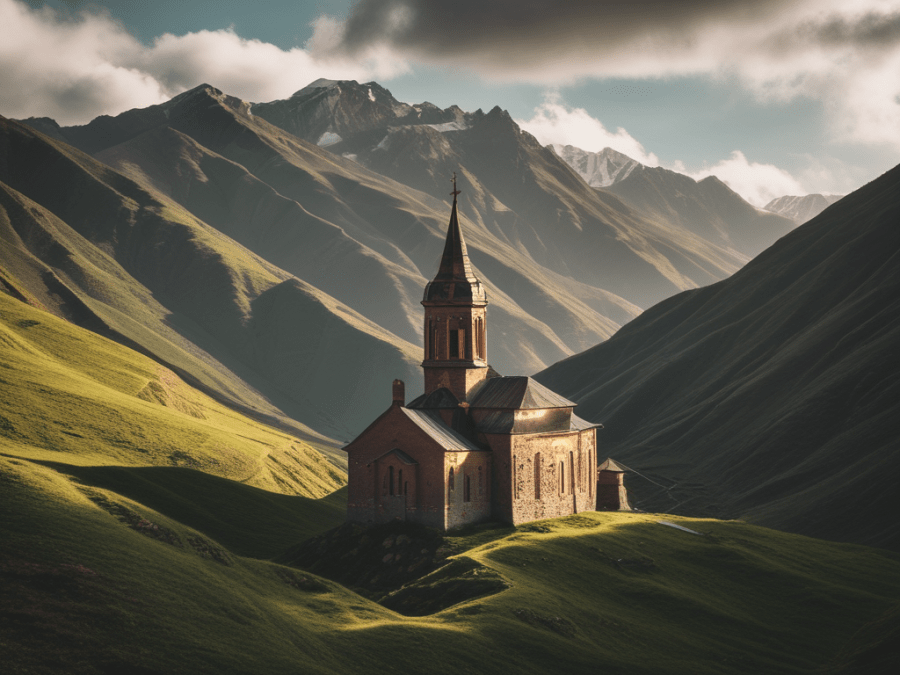
Visit Georgia’s Monasteries: Georgia’s deep spiritual heritage is reflected in its many monasteries. These sacred sites are not only places of worship but are often on higher ground and offer stunning views of the surrounding landscapes. Visit the Holy Trinity Cathedral of Tbilisi (Sameba) in Tblisi or consider hiking to the Gergeti Trinity Church in Kazbegi.

Must-Try Foods

Khachapuri: One of the most well-known dishes from Georgia, this cheese-filled bread is a staple of Georgian cuisine. My favourite was the Adjarian version, which is topped with an egg and butter. You have to quickly whisk the egg as soon the hot khachapuri is brough out to you, and then break off pieces of the bread boat around it into the delicious egg, butter and cheese mixture.

Khinkali: These Georgian soup dumplings are filled with meat, potatoes, or cheese. The trick is to bite a small hole, suck out the broth inside, and then enjoy the rest!

Churchkhela: A traditional Georgian sweet treat, churchkhela is made from nuts coated in a grape juice-based candy. It’s a great snack to take along on a hike!

Shkmeruli: This is a delicious chicken dish cooked in a very garlicky milk sauce. If you LOVE garlic (like me) this is definitely a must try!

Georgian Salad with Walnuts: This salad pairs perfectly with any Georgian dish, and we would usually get one or two for the table during every meal. The salad consists of fresh cucumbers, tomatoes, and a dressing made with ground walnuts.

Georgia is a land of surprises, with so much more to explore than I could cover here. Whether you’re drawn by its scenic mountains, vibrant culture, or delicious cuisine, Georgia has something for every traveler. Have you been to Georgia or have any recommendations? Let me know in the comments!

5 must try foods when you visit Amsterdam

While I know this isn’t exactly adventure related, I am a big foodie! My favourite thing to do while travelling is trying out new cuisines. This is an article I had written previously about my favourite foods in Amsterdam.

The capital of Netherlands, Amsterdam, is known for its stunning canals, colourful tulips and wonderful art museums. If you’re planning a visit do keep in mind that the city has great weather from March to October. With much to see, eat and do I suggest spending three to five days in Amsterdam to do it justice!

Taxis are relatively expensive in the Netherlands, making public transport, cycles or walking the best way to get around the city. You are likely to find yourself spending a day (or three) walking around the famous museum square. The square contains the famed Rijksmuseum, the Van Gogh Museum, the Stedelijk Museum and Royal Concertgebouw – a beautiful concert hall. You are also likely to visit the historic Anne Frank house (be sure to get tickets online, as they sell out much in advance) and maybe even tour the Heineken factory. 

Regardless of the activities you plan, I’m sure you’re going to work up an appetite as you move about the city. Amsterdam is a city that takes its food very seriously. So here’s a list of my favourites just for you. 

Here’s our list of 5 must eats in Amsterdam: 

  1. Stroopwafels: 

This delicious snack is a traditional accompaniment to tea or coffee. It consists of two wafer thin waffles sandwiched between a layer of caramel. These buttery cookies are a must try for anyone travelling to Amsterdam.

Where to find it?

  • Get a freshly made stroopwafel from “The Original Stroopwaffels” cart in the Albert Cuyp market.
  • Or stop by Lanskroon, a small tea room which offers three different fillings with their big crispy stroopwafels.
  • You can also get these cookies in any local store, their most common supermarket is the Albert Heijn. If you get a store bought one, make sure you warm up your Stroopwafel by placing it on the top of a steaming hot beverage before you dig in. The store bought version also makes a great gift for all your foodie friends back home! 
  1. Loaded French Fries (Locally known as Patatjes)

This might not sound new or exciting on a list of must eats, but the Dutch people simply love their fries. Which makes this a “must try” when in the city. The hot, thick and crispy fries come loaded with the most amazing toppings and are served in a paper cone. They make for the most amazing street food which you’re going to relish every day when in Amsterdam.

There are many many different combinations of sauces that are available but the two you must try are the patatje oorlog (a combination of peanut sauce, mayonnaise and chopped raw onions) and the patat speciaal (with curry ketchup, mayonnaise and chopped raw onions).

Where to find it?

  • Vlaams Friteshuis Vleminckx is a tiny hole in the wall establishment that serves over 25 different varieties of sauces on their fries.
  • Frietboutique is known for their locally sourced potatoes, the fries here and cut and fried right in front of you. They’re so good you (almost) don’t need the sauce.
  • Anywhere really. You will be sure to spot many kiosks and shops selling these decadent fries. Don’t leave town without trying them.  
  1. Herring

Herring is another classic Dutch street food. It is a  small fish that is typically eaten raw with raw onions and pickles. While it may seem unappetizing to eat raw fish, the people of Holland have been doing so for hundreds of years. Try it for the experience if nothing else. Still not convinced about eating plain raw fish? Consider trying the herring in a broodje (herring sandwich) instead. 

Where to find it?

  • Stubbe’s Herring has been around for more than a century and is certainly the best place to try herring! Situated near the Central Train Station, the Stubbe’s is fairly easy to find. 
  • For the Herring Sandwich head to Vishuisje Herengrach. Also easy to spot via google maps.
  • Everywhere else – you will see stalls selling herring all over Amsterdam, so don’t fret if you can’t make the time to head specifically to Stubbe or Vishuisje Herengrach.
  1. Bitterballen

Bitterballen is a flavourful deep fried meatball – the meat inside is usually beef or veal. Not a typical street dish, you will typically see bitterballen in cafe menus. Though, a few food stands in busy tourist areas do offer versions worth trying. Order this dish as an appetizer, accompanied with chilled beer from the comfort of a cafe while you watch the world go by!

Where to find it?

  • Febo is a notable place to try Bitterballen. Not only is the bitterballen here one of the best but the restaurant also operates on an interesting and unique model. It is completely automated and uses giant vending machines to serve the food! 
  • De Ballenbar is a quaint food stand located inside a food market (Foodhallen). Run by a Michelin star chef, the food stand serves Bitterballen with innovative fillings such as shrimp and truffle. You can also try the original version of Bitterballen here. 
  • You will find Bitterballen in any cafe serving Dutch cuisine!
  1. Dutch Cheese 

The Dutch have been making cheese for generations which explains the number of cheese shops in every corner of the city. In fact, there is even a Museum of Cheese in Amsterdam! A popular local cheese that you might have heard of and tried is ‘Gouda’,  but there are several others that you must also try such as Edam, Limburg and Leidin. 

Where to find it?

  • There are plenty of markets in Amsterdam, but on the top of the list for cheese is the ‘Noordermarkt’. With six different stalls selling cheese, you’re sure to enjoy sampling and find many that you like. Unfortunately, the Noordermarkt is only open on Saturdays so plan your trip around it if you can.
  • Book a cheese and wine tasting at the Reypenaer Tasting Room, where a professional will tell you all about the delectable wine and cheese combinations while you sample. 
  • The supermarkets. The cheese aisles in the supermarket are absolutely huge. A trip to the closest grocery store is a good way to get a quick cheese fix.

While many people often talk about all the activities and sights Amsterdam has, the food is certainly not something that one should overlook. Make sure you try all the 5 dishes to get a taste of all that Amsterdam has to offer! 

Originally written for OnManorama by Deeya Bajaj

Gorgeous Greenland: A Quick Guide

One of my favourite things about adventure travel is getting to explore different parts of the world in a very different way. Through the ‘quick guide’ series I’m going to talk about some of the lesser travelled places I’ve been to and highlight how to get there, what to do and what to eat!

Greenland is the world’s largest island, an autonomous territory that is a part of the Kingdom of Denmark. Though it is technically a part of the North American continent, it is politically and culturally more associated with Denmark and Norway. The local people in Greenland are called Innuits, and interestingly enough they will be offended if you call them ‘Eskimos’- the name you might popularly know them by. 

How To Get There

  • Only two airlines (Air Greenland and Air Iceland) offer flight options to Greenland. You must first fly to Copenhagen or Reykjavik and then take a flight to Greenland. 
  • The easiest and biggest airport to fly into is the Kangerlussuaq Airport. There are flights available to Kangerlussuaq from Copenhagen year-round. 

What To Do

  • The Northern Lights: Visit Greenland from September to April to experience one of the most magical sights our world has to offer. Be aware that this is the Arctic winter, however, it will be extremely cold and the daylight hours are very short during this time. 
  • Explore the Icecap: With difficult terrain and harsh conditions, most of the activities in Greenland include an element of adventure! Options to explore the icecap include dog sledding, snowmobiling, snowshoeing and skiing. You can also take scenic flights over the icecap if you prefer to do something less active. 
  • Ocean Adventures: You can explore the coast of Greenland while kayaking or scuba diving. 

Wildlife cruises and boat tours are a great option for those who want sightings of seals, whales and seabirds. 

Must-Try Foods

  • Suaasat: This is the national dish of Greenland – a traditional Greenlandic soup. It is often made from seal, whale, reindeer, or seabirds.
  • Seafood: The majority of Greenland is covered with permanent glaciers, and hence most of the food you get is from the sea. Dishes that you can try include fish such as Ammassat or capelin (often smoked), mussels, and shrimp. 
  • Uncommon Meats: The harsh terrain in Greenland means you will have the opportunity to taste some of the most uncommon meat! Including whale meat which can be eaten raw, smoked, or cured (Arfeq Nikkui). Other meats that are a part of traditional Greenlandic cuisine includes that of musk ox, Eider sea ducks, seal, and narwhal blubber. 

Greenland is incredible- with much more to do and eat! This is meant to be a quick guide so I haven’t gone into as much detail as it deserves. Comment if you’ve been to Greenland or have any recommendations about more to do/ eat!

Originally written by Deeya Bajaj for Onmanorama

Exciting Ecuador: A Quick Guide

One of my favourite things about adventure travel is getting to explore different parts of the world in a very different way. Through the ‘quick guide’ series I’m going to talk about some of the lesser travelled places I’ve been to and highlight how to get there, what to do and what to eat!

Ecuador?
Ecuador is a small beautiful country in South America. It is known to have the most biodiversity per square kilometre than any other country and has an incredibly diverse terrain. From pristine beaches to the cloud rainforest, Ecuador has the most incredible natural beauty and wildlife sightings! 

How To Get There

  • Getting to Ecuador is quite a long journey from India! You can get direct flights from Madrid or Amsterdam and fly to the International airport at Guayaquil or Quito in Ecuador. 
  • Alternatively, you can catch flights from Miami, Houston or Atlanta in the US. 

What To Do

Photo by Magda Ehlers on Pexels.com
  • Visit the Galapagos Islands: The islands are home to some of the most unique species on our planet. Swim with giant sea lions and sea turtles, dive with manta rays and spot flamingoes! If wildlife is not your thing, you can always just relax on the beautiful beaches. 
  • Float Through the Amazon Jungle: Fish for piranhas, look for pink river dolphins and if you’re brave – go on and search for the anaconda!
  • Explore the streets of Quito: Ecuador’s capital city is a UNESCO listed world heritage site. Walking down the cobbled streets of the city will make you feel like you are in a different era altogether. 

Must-Try Foods

  • Empanada de Viento: These delicious giant fluffy empanadas are stuffed with cheese and have a light sprinkling of powdered sugar on top.  
  • Horando: As you walk through the Quito or Otavalo markets, you will be sure to see locals roasting giant pigs! While it might be an ungainly sight, be sure to try it. It is extremely flavourful. 
  • Exciting fruit: Ecuador has a variety of fruit that you may have never heard of before! Be sure to try the granadillas (a type of passionfruit), naranjillas (delicious citrus fruits ) and uvilla (small bright orange fruits which taste like cherry tomatoes)

Ecuador is an incredible country with much more to do and eat! This is meant to be a quick guide so I haven’t gone into as much detail as the country deserves. Comment if you’ve been to Ecuador or have any recommendations about more to do/ eat!


Originally written by Deeya Bajaj for Onmanorama

Magnificent Mongolia: A Quick Guide

One of my favourite things about adventure travel is getting to explore different parts of the world in a very different way. Through the ‘quick guide’ series I’m going to talk about some of the lesser travelled places I’ve been to and highlight how to get there, what to do and what to eat!

Where is Mongolia?
Mongolia is a landlocked country sandwiched between Russia and China. About 30% of the population is nomadic. A traditional saying in Mongolia is “a Mongol without a horse is like a bird without wings.” In fact, the horse population in the country is larger than the human population! 

Photo by Nick Bondarev on Pexels.com

How To Get There
Fly to Hong Kong and get a connecting flight to the Buyant-Ukhaa International Airport, Ulaanbaatar. 

What To Do

  • Explore the capital city of Mongolia, Ulaanbaatar: Ensure you stop by Genghis Khan Statue Complex, the National History Museum, and the Gantangdegchenling Monastery. 
  • Spend a night in a yurt: Many Mongolians still live in gers (also known as yurts), a visit to Mongolia must include a night in a Yurt! Many eco-resorts are offering the option to stay in a Ger. 
  • Horseback Riding: As horses are such a vital part of the Mongolian way of life, I highly recommend at least one horseback riding trip! 
  • Ride a Camel in the Gobi Desert: Spend time wandering the beautiful sand dunes of the third largest desert in the world. With plenty of wildlife, rock formations and colourful cliffs, you will have an incredible experience travelling through the dunes in the most traditional way – camelback. 

Must-Try Foods

  • Khuushuur: A deep-fried pastry filled with ground mutton and onions.  
  • Bantan: A traditional Mongolian clear broth with meat, dough crumbs and chopped spring onions. 
  • Buuz: A Mongolian steamed dumpling filled with seasoned meat. 
  • Mongolian Barbecue: Popular world over, this dish which involves cooking food on a giant iron circular grill was surprisingly invented in Taiwan, not Mongolia. However, if you are craving Mongolian Barbecue in Mongolia, we recommend a visit to BD’s Grill, in Ulaanbaatar.
Photo by Nick Bondarev on Pexels.com

Mongolia is a beautiful country with lots more incredible things to do and eat! This is meant to be a quick guide so I haven’t gone into as much detail as the country deserves. Comment if you’ve been to Mongolia or have any recommendations about more things to do/ eat!

Originally written by Deeya Bajaj for Onmanorama

How to Get to Antarctica

While we’re stuck at home dreaming of post pandemic travel to new frontiers – what better journey to dream about than a voyage to the end of earth – Antarctica! Interestingly enough with strict protocols in place about who can and cannot visit, Antarctica remains the only continent in the world with zero Covid cases. Until the pandemic ends (or a vaccine is found) tourists will be unable to travel to Antarctica. 

Why Antarctica
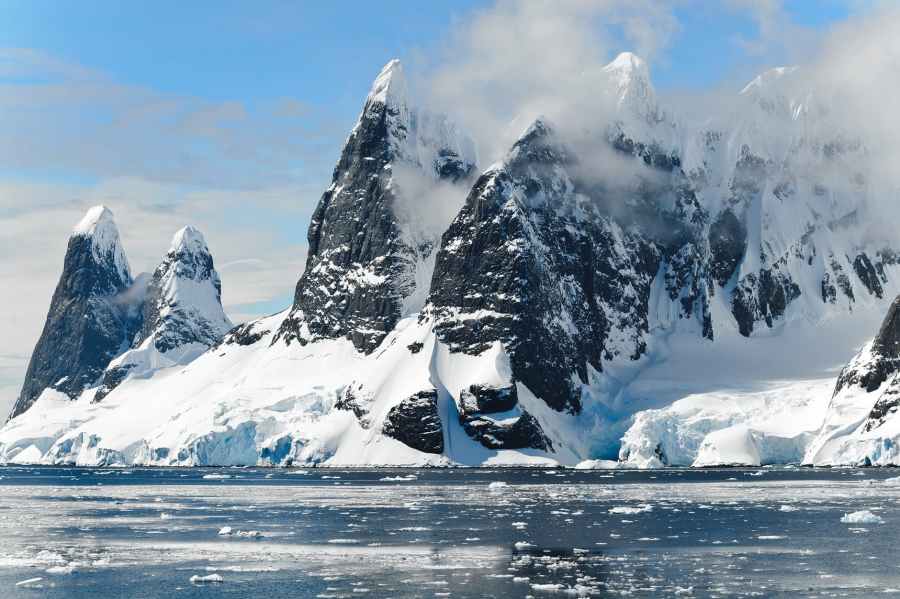
Antarctica’ in Greek literally translates to ‘the opposite of North’. The continent consists of  over 90% of all the ice on our planet – so needless to say it is extremely cold. In fact, it is the coldest, windiest and driest continent of all. With such conditions, Antarctica might not seem appealing at first, but the stunning landscapes, white mountains and views of a neverending expanse of  ice and snow, make for an absolutely incredible scenic experience!  

With a population of barely 5000 people (consisting of mainly scientists, researchers and their support teams) on the continent, Antarctica is one of the few true wilderness experiences on our planet. 

A word of caution
Due to the extreme weather conditions a trip to Antarctica is only recommended for those who are comfortable with the cold. Temperatures on the coast usually don’t rise beyond  0 degrees celsius, even at the peak of summer. The interiors usually never get warmer than -20 degrees celsius.

When to go?
The best time to visit is in the Antarctic summer –  November to February where you get close to 24 hours of daylight.

How to get there? 
Getting to Antarctica is easier than one might imagine.

The most popular way to get to Antarctica is on a ship, the best option for those interested in experiencing the incredible wildlife in the continent. 

For those who are more interested in experiencing the Antarctic icecap and it’s terrain, you can also take a flight straight to the interior of the icecap. 

Ushuaia to Antarctica (via ship)  
Ushuaia in Argentina is a three and a half hour flight from the more well connected Buenos Aires airport. Cruises that start at Ushuaia go via the Drake Passage – a 1000 kilometer body of water that separates Antarctica from South America. It usually takes 36 hours to make the journey to the Antarctic Peninsula. This journey is a wonderful opportunity to get some albatross sightings. Trips that start at Ushuaia range from 9 – 20 days.  

Punta Arenas to Antarctica (via ship)  
If the idea of the Drake Passage and 36 hours of travel in a ship to get to the peninsula doesn’t appeal to you, you can opt to start your journey from Punta Arenas, Chile. The journey from the southern tip of Chile only takes a couple of hours to reach the Antarctic Peninsula. Due to the shorter distance to get to Antarctica, cruises starting at Punta Arenas offer short 4 day trip options. 

Punta Arenas to Antarctica (via flight)  
A flight to Antarctica is the best option for those who get seasick and prefer to experience the vast icy wonder of Antarctica’s ice cap (and perhaps even visit the South Pole). This flight to Antarctica takes 5 hours on a Russian Illushian plane. The flight itself is an incredible experience as the plane lands on a blue ice runway at a small settlement on the ice cap called Union Glacier. Delays due to weather conditions flying into the glacier are common and you should set aside at least 15 days for such a trip. 

What to do in Antarctica

Cruise: Once you reach your destination, you spend your nights on the ship itself. The days are spent exploring the surrounding areas on smaller boats with options to get on the icecap and even spend a night in a tent.  This option is highly recommended for those interested in wildlife. There is a high probability of amazing sightings of  seals, penguins and whales.

Flight:  When you fly directly onto the glacier you spend your days hiking, using snow scooters and snow cycles to explore the area surrounding Union glacier. You also have the option to venture further towards the center of the continent by taking another flight to the South Pole. 

Photo by Dick Hoskins on Pexels.com

Service Providers/Travel Agents
While there are many service providers offering cruise options to Antarctica, there is only one company, Antarctic Logistics and Expeditions (ALE), offering the flight option. You will, therefore, have to book well in advance for flight and accommodation on the icecap, if that’s your preferred travel option. Once you get there, ALE will provide comfortable tented accommodation for you to stay in. 

Regardless of which company you choose to go with, the company will provide for your food, accommodation and activities throughout the duration of your stay. As Antarctica is barely inhabited, you will not be seeing towns or restaurants during your journey there. Due to your sole dependence on your provider, I suggest that you spend your time researching and choose wisely before you pick who you want to book with.

Note on what to Pack
Because of the extreme temperatures in Antarctica you will need specialised gear to ensure that you’re safe and comfortable. While the company you choose to travel with will share a detailed list, there are a couple of items that you will certainly need and should plan for:

  1. A good down jacket:  To ensure that you stay warm during the colder parts of the day. 
  2. A pair of sunglasses:  The sun’s rays are very harmful for your eyes in these extreme regions. 
  3. A good pair of boots: So that you can move about comfortably once you are off the ship/ plane. 
  4. Sunscreen: The Antarctic sun is very harsh, sunscreen is a must for any part of your body that is exposed. 

TL;DR
Antarctica is an absolutely incredible part of our planet. Experiencing the incredible wilderness of the coast or the stark beauty of the landscape are journey’s like no other. Step a little out of your comfort zone for an experience that you will cherish for the rest of your life. 

Originally written for Onmanorama